Buy, Lease or Rent ATMs in Rhode Island | atmsrhodeisland.com
Rhode Island ATM Advantage: Why Owning an ATM Can Strengthen Local Sales and Customer Loyalty
- December 24, 2025
- admin
- 1:53 pm
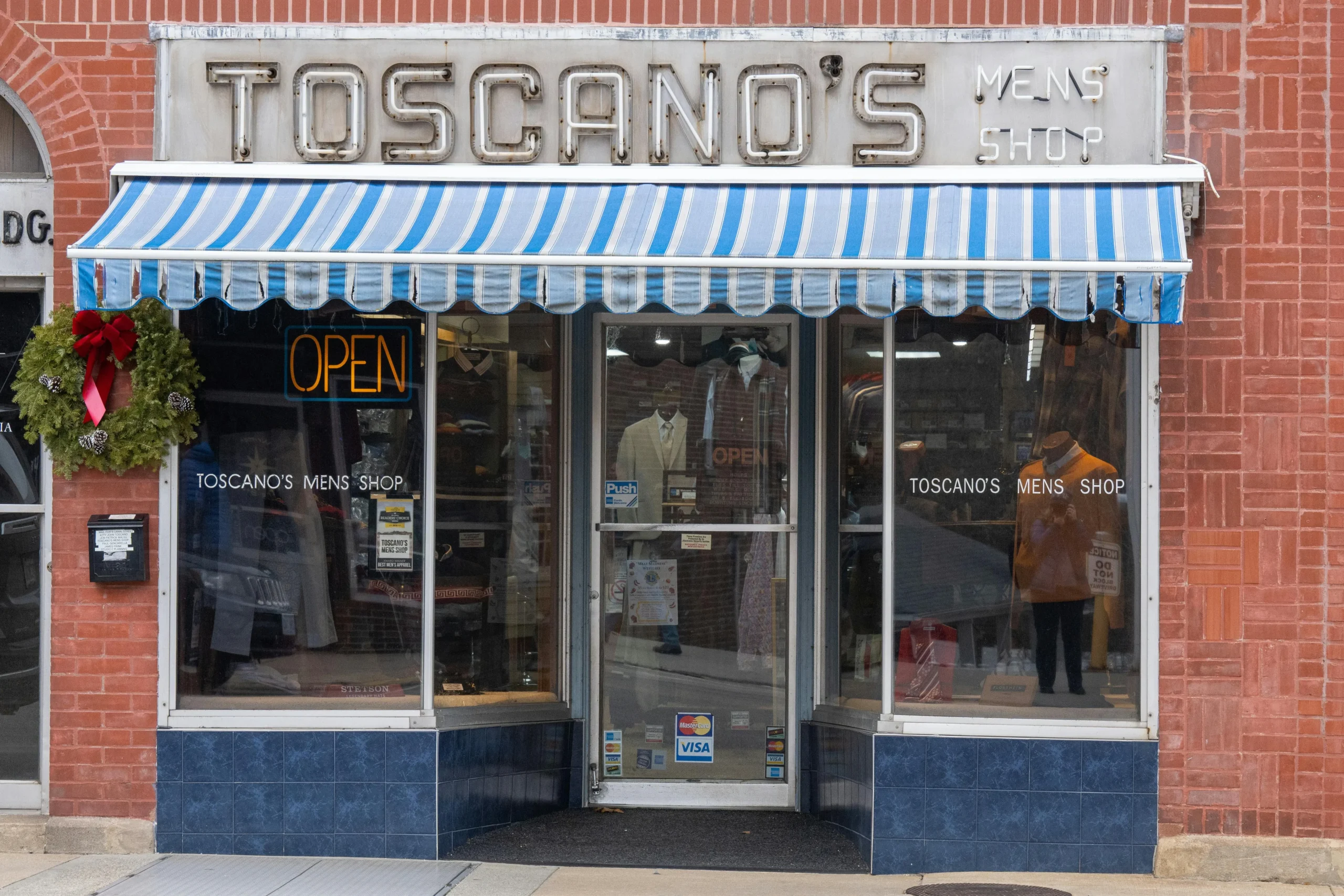
ATM ownership can be a practical advantage in Rhode Island because local commerce is often driven by convenience, speed, and “right now” purchasing decisions. In a small state where customers can easily choose a competitor a few minutes away, reducing friction matters. When people can access cash inside your location, they are more likely to complete purchases, tip service staff, and spend confidently without leaving to search for an ATM elsewhere. This is especially relevant for Rhode Island’s service-heavy business mix: restaurants and bars, convenience and neighborhood retail, salons and personal services, hospitality, and venues that host steady foot traffic. In these categories, customers regularly need cash for smaller transactions, tips, last-minute purchases, and vendor spending—and if cash access feels inconvenient, spending often drops or moves off-site.
Beyond day-to-day local demand, Rhode Island’s coastal and tourism activity creates natural spikes in foot traffic that can amplify the value of on-site cash access. Seasonal weekends, waterfront activity, and event calendars can shift a normal day into a high-volume day fast. For the right location, an ATM becomes a simple operational upgrade that improves customer experience while creating a usage-based revenue channel (often via surcharge income, depending on your configuration and compliance). The key is treating the ATM as an operational asset that must stay reliable: good placement, stable processing, practical cash planning, and responsive support when issues appear. When those pieces are in place, ownership is not just about the machine—it becomes about controlling a small but meaningful part of your customer’s spending journey inside your business.
Where ATM Ownership Pays Off Most in Rhode Island: Cities, Industries, and Location Fit
The real “ATM advantage” comes from location fit. Owning an ATM is not automatically profitable just because the machine exists; it becomes profitable when your site consistently produces the kind of demand that drives repeat withdrawals. In Rhode Island, the strongest opportunities typically show up in two patterns: (1) high-frequency daily traffic (customers coming in regularly) and (2) high-intensity peak traffic (surges on weekends, evenings, and event periods). Businesses that benefit most tend to be those where people already arrive ready to spend: convenience stores, corner markets, smoke shops, restaurants and bars, salons, service counters, and hospitality locations with steady guest movement. These are the environments where customers often say “I need cash right now,” and where leaving your location to find an ATM introduces a real chance they do not return quickly, or they complete their spending somewhere else.
Rhode Island’s population and business activity are concentrated into specific city corridors, which can help provide consistent baseline demand. The best starting point for predictable traffic is typically in and around Providence, plus nearby population centers like Cranston, Warwick, Pawtucket, East Providence, and Woonsocket—areas where customers have many choices and convenience becomes a differentiator. In these markets, an ATM can work like a retention tool: it keeps the customer inside your environment, shortens the time between intent and purchase, and supports quick cash-driven transactions that might otherwise be delayed or abandoned. Coastal destinations and seasonal markets can offer a different kind of advantage: they may have lighter weekday demand but strong spikes tied to weekends, tourism waves, and event calendars. For those areas, ATM ownership can still make sense if you plan around the surge pattern and build your cash strategy around peak days.
To keep your Rhode Island ATM profitable and dependable, the operational plan matters as much as the machine. A smart owner thinks in systems, not slogans. Start with a placement strategy: place the ATM where customers naturally pass (near the entrance or near the point where spending decisions happen), but not in a way that blocks traffic or feels unsafe. Next, build a processing plan: reliable processing reduces declined transactions and customer frustration, and it keeps the machine feeling “trustworthy.” Then establish a service plan: the fastest way to ruin ATM performance is repeated downtime, “out of order” signs, or long delays before fixes. This is why responsive support and clear troubleshooting steps are important, especially for businesses open evenings and weekends. Finally, manage cash planning realistically: the most common preventable issue is the machine running out of cash at the wrong time. A simple schedule that matches your busiest periods can protect transaction volume and customer satisfaction.
Rhode Island’s business environment also rewards owners who avoid “copy-paste” assumptions. A bar in Providence, a salon in Warwick, and a seasonal venue near coastal destinations can all succeed with an ATM, but for different reasons and with different operational rhythms. That is why it helps to choose an ownership path that matches your business model. If you want maximum control and long-term flexibility, buying may fit. If you want a lower upfront commitment, leasing may be more practical. If you are planning around short windows of intense demand (festivals, fairs, pop-ups, venue activations), event ATM rental may be the best match. And if you want cash access without purchasing equipment, free placement may be an option for qualifying locations—but eligibility should always be based on real traffic and site readiness, not generic promises.
If you want a simple way to evaluate whether Rhode Island ATM ownership is a strong move for your location, use this quick “location-fit” checklist:
- Foot traffic consistency: Do you see steady daily customers or predictable weekly peaks?
- Cash-friendly purchases: Are tips, small-ticket items, entry fees, or vendor payments common?
- Customer dwell time: Do customers stay long enough to use an ATM and still spend on-site?
- Visibility and accessibility: Can the ATM be placed where it will be seen and used safely?
Operational stability: Do you have a clear plan for processing, service support, and cash levels?
When most of those are “yes,” ownership becomes a practical business upgrade rather than a gamble. In a compact, competitive state like Rhode Island, the advantage is not just the surcharge income—it is the way cash access supports customer experience, reduces spending friction, and helps your business capture more transactions that would otherwise leak away to a competitor or to “I’ll come back later.”
Rhode Island FAQS
FAQ 1: Is owning an ATM in Rhode Island actually profitable?
ATM ownership can be profitable when your location has consistent foot traffic and a clear reason customers need cash (tips, small purchases, entry fees, vendor spending). Profitability is driven by transaction volume, placement visibility, uptime, and a realistic surcharge strategy. If your business has slow traffic or customers rarely use cash, results will be limited—so location fit should be evaluated first.
FAQ 2: Should I buy or lease an ATM for my Rhode Island business?
Buying typically fits businesses that want long-term control and flexibility without ongoing lease commitments. Leasing is often better when you want a lower upfront commitment, prefer predictable monthly terms, or want to test demand before purchasing. The best choice depends on your budget, expected usage, and how stable your foot traffic is in Providence, Warwick, Cranston, Pawtucket, East Providence, Woonsocket, or coastal/seasonal areas.
FAQ 3: How does “free ATM placement” work in Rhode Island, and who qualifies?
Free placement is not automatic—it generally depends on whether your location is likely to generate enough transactions to support the program. Qualification typically considers factors like consistent foot traffic, safe and visible placement space, operating hours, and practical access for service. If approved, the exact inclusions (delivery, installation, setup) should be confirmed in writing so expectations are clear.
FAQ 4: Where are the best places to install an ATM in Rhode Island?
High-performing placements are usually where customers already spend and often need cash: convenience stores, bars/restaurants, salons, hospitality properties, and venues. Within the location, the best spot is typically near the entrance or along the natural customer path—high visibility, well-lit, and not blocking traffic flow. Dense city corridors (Providence-area) often provide baseline demand, while coastal and event-driven areas may perform strongly during seasonal peaks.
FAQ 5: How do I set a surcharge without hurting customer experience?
A surcharge should be location-driven and reasonable for your customer base. High-traffic convenience environments may tolerate different pricing than neighborhood storefronts with repeat locals. The goal is to balance usage and revenue—if the fee is too high, customers may avoid the machine; if it is too low, the ATM may underperform financially. Start with your local market context and adjust based on real transaction behavior.
FAQ 6: What causes ATM downtime, and how do I prevent “Out of Service” signs?
Common causes include connectivity interruptions, hardware wear (printer, keypad, dispenser), cash-outs, and configuration issues. Prevention is mostly operational: stable processing, proactive service checks, a clear troubleshooting path, and realistic cash management during peak days (weekends, events, seasonal surges). Fast response matters because repeated downtime quickly reduces customer trust and repeat usage.
FAQ 7: Can I rent an ATM for events in Rhode Island (festivals, fairs, pop-ups)?
Yes—event ATM rental can be a practical option when you expect concentrated spending over a short period. It helps vendors close more sales and reduces guest drop-off caused by leaving the venue to find cash. Rental scope varies by event, so confirm what’s included (delivery coordination, setup, support plan, duration) based on venue rules, attendee volume, and operating hours.