Buy, Lease or Rent ATMs in Rhode Island | atmsrhodeisland.com

Best ATM Location in Rhode Island: 4 Questions That Separate “Okay” Spots from High-Use Locations
- December 24, 2025
- admin
- 2:10 pm
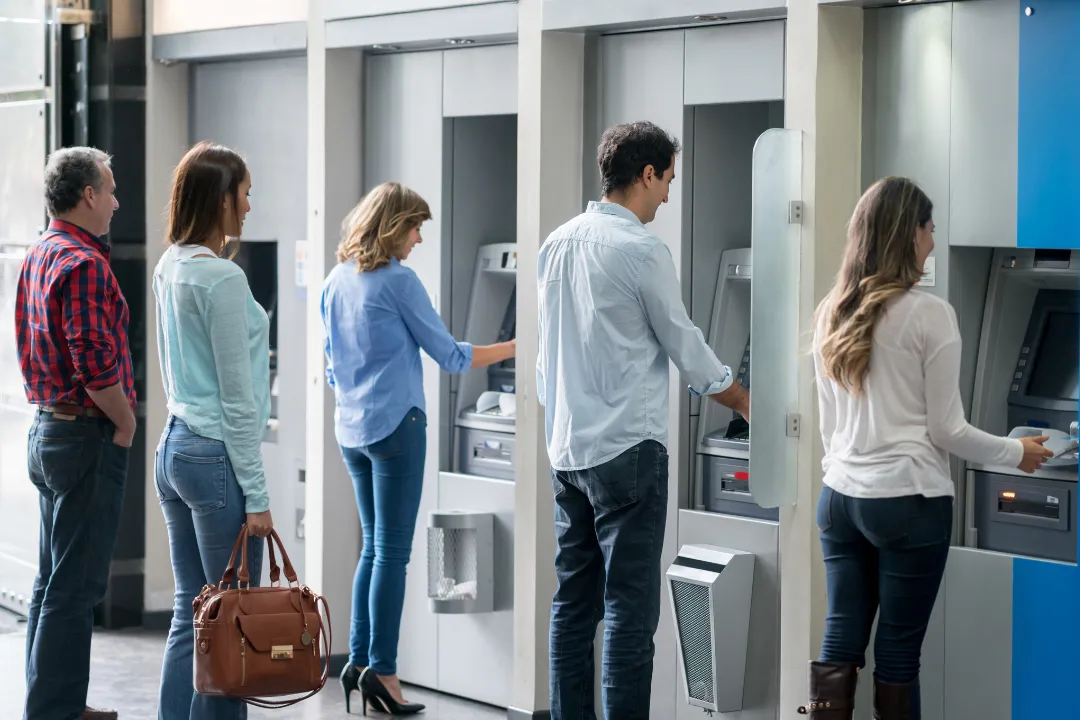
Choosing an ATM location in Rhode Island is not about guessing where foot traffic “seems busy.” It is about finding the places where people regularly need cash at the exact moment they are ready to spend. Rhode Island is a small state with dense competition, which means customers can easily walk or drive to the next option if your location is inconvenient, slow, or frequently out of service. The strongest ATM locations usually sit inside cash-friendly environments (tipping, small purchases, late-night spending, vendor events) and in corridors where the customer path naturally passes the machine. That is why the “best location” decision should be made with a repeatable checklist—not a hunch. Start with the cities where activity clusters: Providence, Cranston, Warwick, Pawtucket, and East Providence are among the most populated Rhode Island cities, which typically helps support consistent daily demand.
Then factor in seasonal and event-driven surges. Rhode Island tourism is a meaningful demand driver—visitor volume reached a record 29.4 million in 2024 with $6.0 billion in visitor spending, which can increase cash demand in the right hospitality, retail, and venue locations.
Below are four practical questions you can use to identify ATM placements that are more likely to produce transactions, reduce downtime risk, and support a long-term service plan (buy/lease/rent, processing, repairs, and ongoing support) without overpromising results.
The 4 Rhode Island Questions That Help You Pick a Strong ATM Location Before You Install
Question 1: Do customers have a real reason to need cash here (not just “traffic”)?
The best Rhode Island ATM placements are not simply busy—they are cash-relevant. Look for locations where customers commonly need cash for tipping, entry fees, small purchases, or vendor transactions. Examples include convenience retail, bars and restaurants, salons, service counters, small entertainment venues, and event spaces. In a cash-relevant environment, the ATM supports the spending behavior that already exists, which is far more reliable than hoping people will “start using cash” because the machine is present. Rhode Island’s industry mix makes this especially important: Rhode Island Commerce highlights major clusters like Arts/Education/Hospitality/Tourism and the Ocean Economy, which often correlate with in-person spending patterns and peak-hour surges.
Question 2: Will your ATM be visible and friction-free to use within 10 seconds of entering?
Inside placement can be as important as the neighborhood. A good rule is: if a customer cannot see the ATM quickly, usage drops. In compact Rhode Island storefronts, place the machine near the natural customer flow—often near the entrance, lobby, or a high-visibility corridor—while keeping it well-lit and not blocking foot traffic. Visibility, comfort, and perceived safety matter. If the ATM looks hidden, cramped, or inconvenient, customers will use a competitor’s machine down the street. This is particularly relevant in dense corridors like Providence where customers have alternatives within minutes.
Question 3: Can this location survive peak demand without cash-outs or “out of service” signs?
A location that spikes on weekends or events needs a real operational plan. Rhode Island has event-driven demand patterns that can quickly turn a normal day into a high-volume day. Providence’s WaterFire, for example, is widely cited as creating substantial economic impact for local businesses and drawing significant attendance, which illustrates how major events can intensify on-site spending and convenience needs.
For ATM placement, the takeaway is simple: if your location has predictable surges (weekends, late nights, event dates, seasonal peaks), you must plan cash levels, processing stability, and a support path so the ATM does not become the weak link. In practice, this means thinking beyond installation: set expectations about replenishment timing, define who monitors performance, and ensure repair/service response is fast enough to avoid repeated downtime. Uptime is the asset; downtime is the silent revenue killer.
Question 4: Does this site qualify for your chosen model (buy/lease/rent/free placement) without unrealistic assumptions?
Not every strong location needs the same business model. If you want long-term control, buying may fit. If you want a lower upfront commitment or you are validating demand, leasing can be practical. If you only need coverage for short windows of concentrated demand, event ATM rental can be the right approach. And if you are considering free ATM placement, treat it like a qualification-based option—not a blanket promise. Eligibility usually depends on real transaction potential, safe placement space, operating hours, and site readiness. The best operators avoid vague “free everything” claims and instead confirm what is included (delivery, installation, setup, support scope) and what is required from the site (space, access, connectivity, basic cooperation). A location that meets these criteria can be an excellent candidate; a location that does not will struggle no matter what brand of machine you install.
When you apply these four questions consistently, you avoid the most common Rhode Island ATM mistakes: choosing a spot that is “busy but not cash-relevant,” hiding the machine where it is rarely seen, failing to plan for peak demand, and selecting a placement model that does not match the reality of the site. The end result is a location strategy that supports your full service stack—installation, processing, monitoring, repairs, and ongoing service—while keeping expectations credible and performance measurable.
FAQS
FAQ 1: What is the single most important factor for an ATM location in Rhode Island?
Cash relevance. A location where customers regularly need cash (tips, small purchases, entry fees, vendor spending) usually outperforms a location that is simply “busy.”
FAQ 2: Which Rhode Island cities are best to start with for consistent ATM demand?
Providence and nearby population centers often provide stronger baseline demand, including Cranston, Warwick, Pawtucket, and East Providence.
FAQ 3: How do events impact ATM placement decisions in Rhode Island?
Events can create demand spikes that increase transaction potential, but only if you plan for uptime and cash availability. Major Providence events like WaterFire illustrate how spending surges can intensify convenience needs.
FAQ 4: Where should the ATM go inside my business for best results?
Usually near the entrance or along the natural customer path—high visibility, well-lit, easy to approach, and not blocking traffic flow.
FAQ 5: Does “free ATM placement” mean free for every business in Rhode Island?
Not typically. Free placement is usually qualification-based and depends on transaction potential and site readiness. Always confirm what is included and what the location must provide.
FAQ 6: What causes ATM performance to drop after installation?
The most common causes are downtime (slow repairs), cash-outs during peak periods, poor visibility/placement, and inconsistent processing or connectivity.
FAQ 7: Should I buy, lease, or rent an ATM in Rhode Island?
Buy for long-term control, lease for a lower upfront commitment or to validate demand, and rent for short-term event or seasonal needs. The right choice depends on traffic patterns and budget.