Buy, Lease or Rent ATMs in Rhode Island | atmsrhodeisland.com

Categories
Blogs

Rhode Island Impulse Buys: How an On-Site ATM Turns “Maybe” Into “Add It”

How ATMs Increase Impulse Buying for Rhode Island Small Businesses

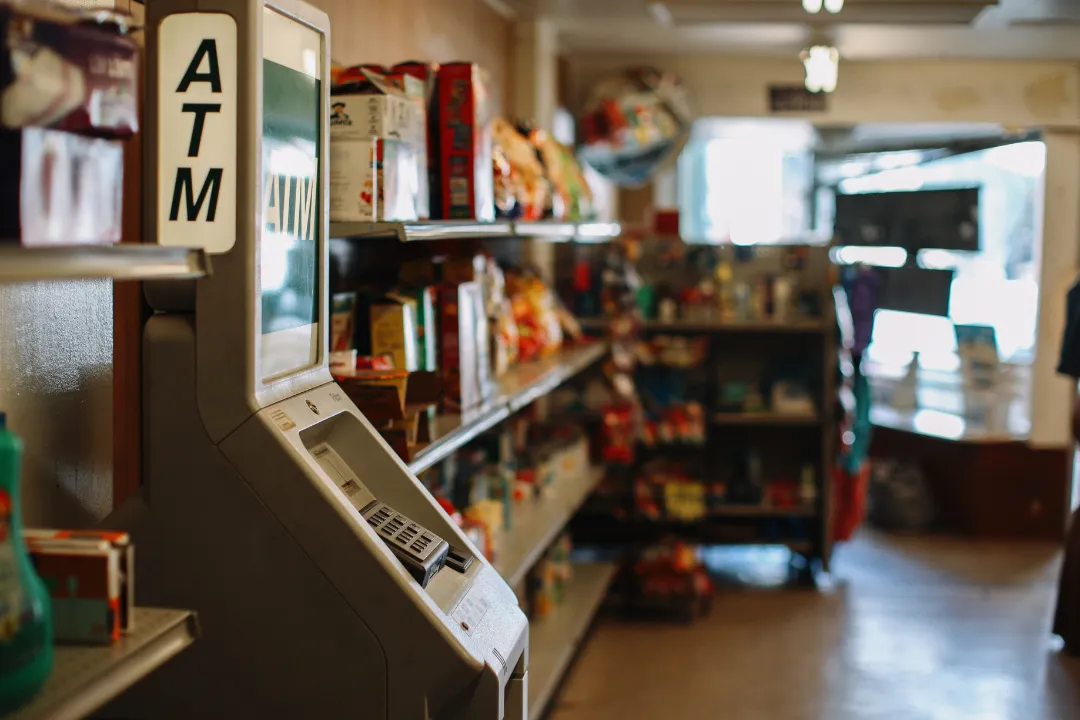
Impulse buying happens when customers feel ready to spend in the moment—and small businesses in Rhode Island can either capture that moment or lose it to friction. When a shopper is short on cash, the decision is often simple: they skip the add-on, postpone the purchase, or leave to find an ATM elsewhere. In a compact state where competitors are never far away, “I’ll come back” can quickly turn into “I bought it somewhere else.” That’s why an on-site ATM can be more than a convenience feature; it can function like a conversion tool that keeps customers inside your location, reduces payment hesitation, and supports quick purchases that happen at the counter. This matters in Rhode Island’s everyday cash-relevant categories—convenience retail, restaurants, bars, salons, service shops—and in high-choice city corridors like Providence, Cranston, Warwick, Pawtucket, and East Providence, where customers expect fast transactions and easy spending without detours.

The “Cash-in-Hand Effect”: Why an ATM Makes Rhode Island Customers Buy More

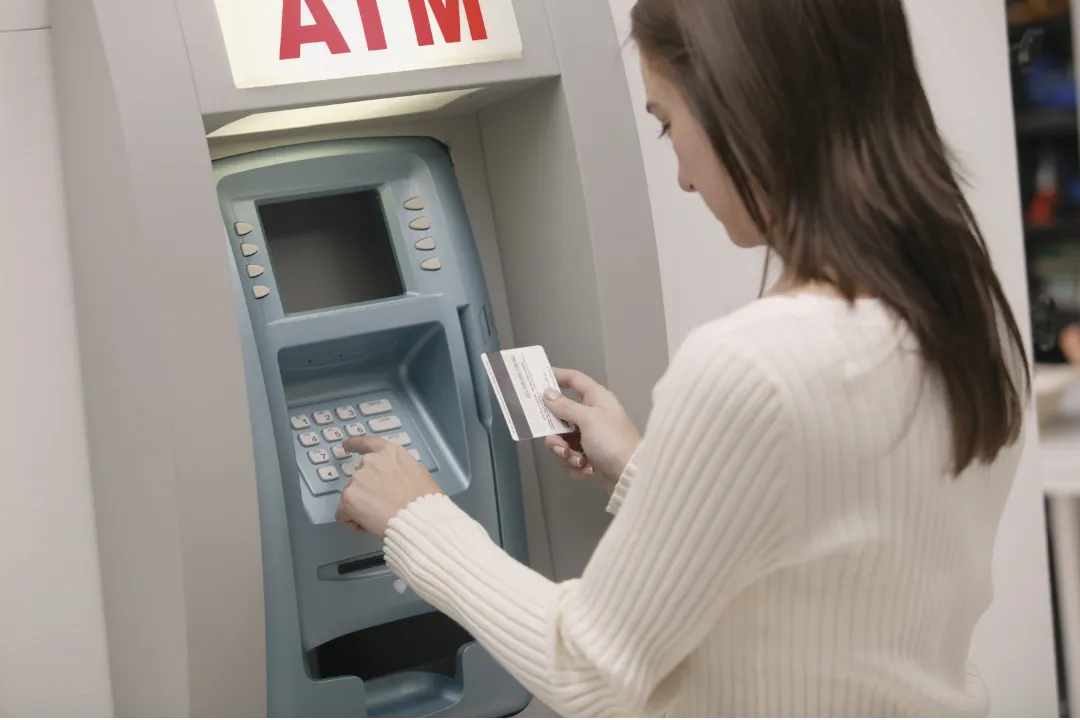
Impulse purchases are usually small, fast decisions: a drink add-on, an extra snack, a last-minute item at checkout, a tip, a ticket upgrade, or a quick accessory. These decisions rely on momentum. The moment a customer has to stop and think about payment, the impulse fades. An on-site ATM helps preserve momentum by turning “I don’t have cash” into “I’ll just withdraw real quick,” which keeps the customer’s attention on buying instead of searching for a bank. In practical terms, this influences three major business outcomes in Rhode Island.

First, it reduces abandonment. When customers leave the store to find cash, the business loses control of the transaction journey. They may get distracted, go to a competitor, or decide they do not need the item anymore. In Rhode Island’s dense corridors—especially in Providence and nearby cities—customers have a lot of choices within minutes, so abandonment risk is real. An ATM inside your location keeps the customer’s path short and your conversion window open.

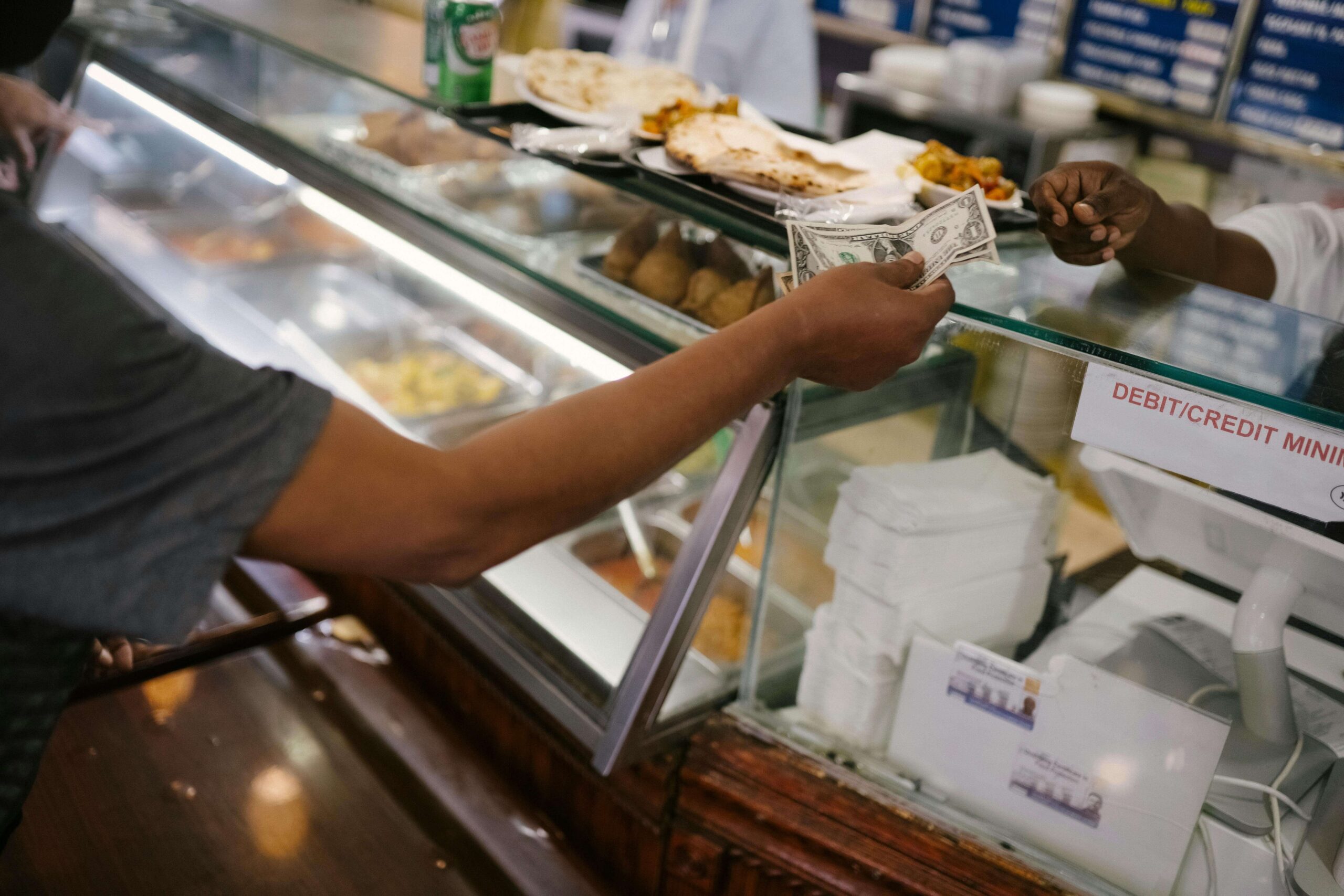
Second, it increases add-on purchases and upsells. When customers withdraw cash, they often withdraw more than the exact amount needed for a single item. That extra cash becomes “spendable,” which increases the chance they say yes to upgrades, additional items, or impulse add-ons near the register. This is especially relevant for cash-friendly environments like convenience stores, takeout counters, bars, salons, and service shops where add-ons are common and decisions are quick.

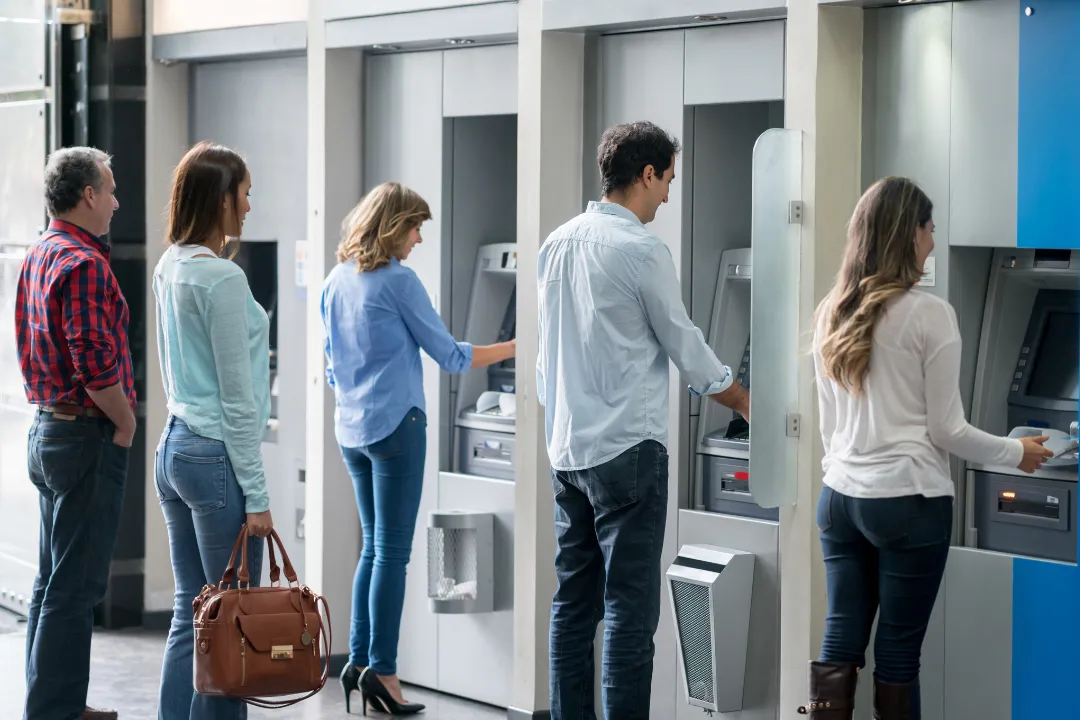
Third, it supports spending patterns tied to Rhode Island’s local rhythm. Small businesses in Rhode Island frequently experience peak windows—weekends, evenings, seasonal traffic, and event-driven surges (downtown activity, coastal weekends, venue schedules). During peaks, speed matters. If payment is slow or inconvenient, you lose sales and create lines. An ATM can reduce payment friction for customers who prefer cash for small purchases, tipping, or vendor spending, which keeps transactions moving. The key is to treat the ATM like a managed part of your business, not a “set-and-forget” machine: good placement near the customer flow, stable processing, realistic cash planning for busy times, and responsive support when issues appear. When those fundamentals are handled, an ATM doesn’t just provide cash—it helps your business capture more of the spontaneous, high-margin purchases that keep small businesses growing across Rhode Island.

FAQS

FAQ 1: Why do ATMs increase impulse buying in small businesses?
Because they reduce payment friction. When customers can access cash instantly, they are more likely to add items, upgrade purchases, and complete decisions on the spot.

FAQ 2: What types of Rhode Island businesses benefit most from an on-site ATM?
Convenience retail, restaurants and bars, salons, service shops, hotels, and venues typically benefit most because customers often need cash for small purchases and tipping.

FAQ 3: Which Rhode Island areas are best for ATM-driven impulse purchases?
High-choice corridors and busy areas often perform well—Providence plus nearby cities like Cranston, Warwick, Pawtucket, and East Providence—because customers value convenience and speed.

FAQ 4: Does an ATM automatically mean higher profits?
Not automatically. Results depend on location fit, foot traffic quality, machine visibility, uptime, and how consistently the ATM stays online without cash-outs or downtime.

FAQ 5: Where should I place the ATM inside my store to support impulse buys?
Usually near the entrance or along the natural customer path, where it’s visible and easy to use without blocking traffic. Visibility is a major driver of usage.

FAQ 6: Can an ATM help increase tips for staff?
Yes. In cash-relevant businesses like bars, salons, and service counters, easy cash access often increases tipping convenience and reduces “I only have a card” moments.

FAQ 7: Should I buy, lease, or choose free placement for Rhode Island?
Buy for long-term control, lease for lower upfront commitment, and consider free placement only if your location qualifies based on real transaction potential and site readiness.

Categories
Blogs

Rhode Island Business Boost: 3 Multi-Purpose Benefits of ATM Installation

3 Ways ATM Installation Works as a Multi-Purpose Upgrade for Rhode Island Businesses

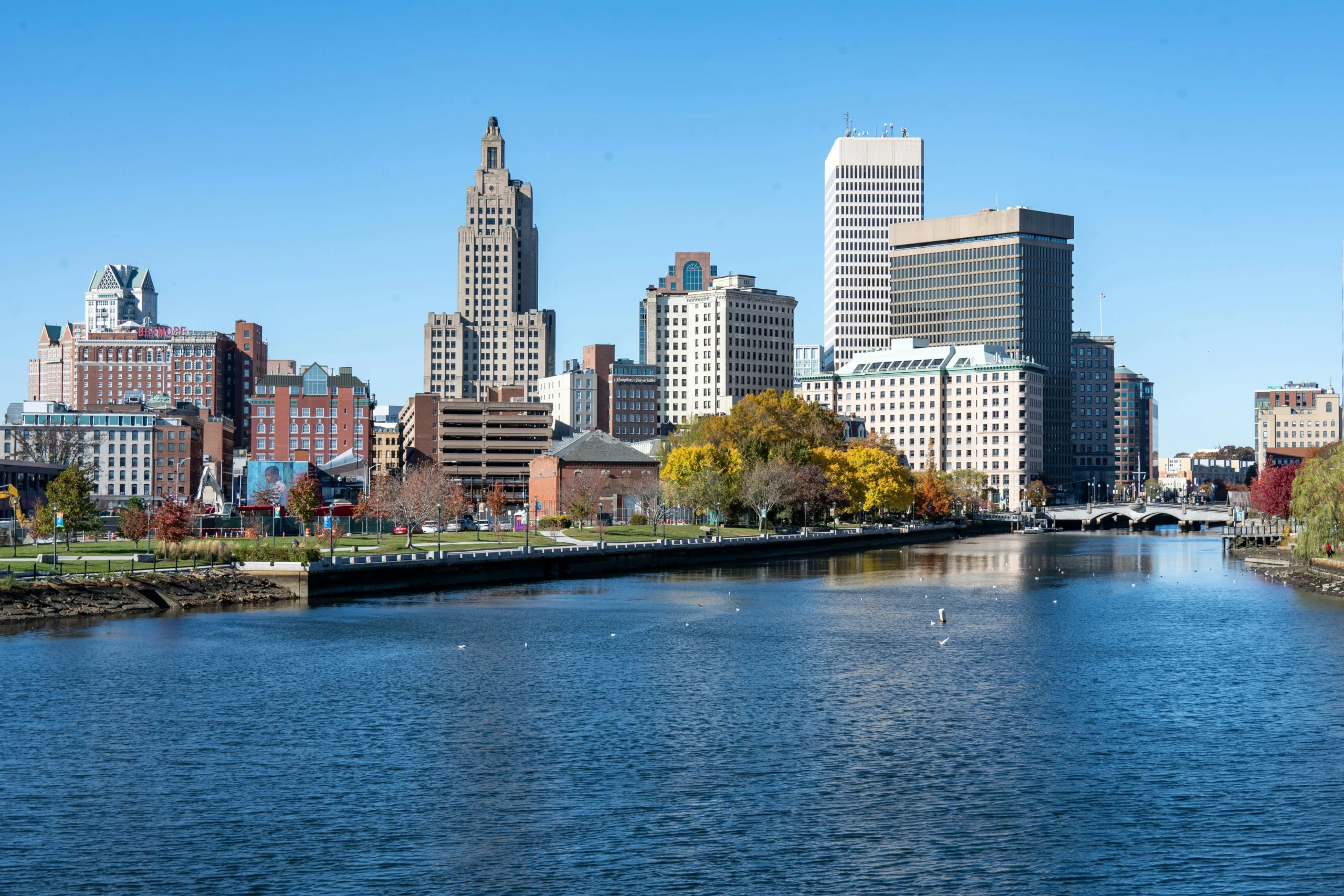
 In Rhode Island, an ATM is not just a cash machine—it can be a practical, multi-purpose business upgrade when it’s placed in the right environment and supported with a realistic service plan. Because Rhode Island is compact and competitive, customers can quickly choose another store, restaurant, or venue if something feels inconvenient. When your location provides easy cash access, you reduce the chances of customers leaving mid-visit, and you make spending easier for everyday purchases, tips, and vendor transactions. This is especially valuable in Rhode Island’s service-driven corridors—hospitality, dining, retail, and event-based foot traffic—where convenience and speed influence whether a customer completes the purchase now or postpones it. Rhode Island’s visitor economy is also a real demand driver; state reporting notes 29.4 million visitors in 2024 with $6.0 billion in visitor spending, which can amplify the need for quick cash access in high-traffic areas and peak seasons.

The Rhode Island ATM Advantage: Three Jobs One Installation Can Do for Your Business

1) It helps you keep customers on-site and spending (especially for tips and quick purchases).
One of the most overlooked benefits of ATM installation is how it reduces “spending drop-off.” If a customer needs cash and leaves your location to find an ATM, you risk losing that purchase entirely—or at minimum, losing time and momentum. In Rhode Island, where businesses often operate close to competitors, convenience becomes a competitive edge. An on-site ATM helps customers complete purchases immediately, tip staff more easily, and pay vendors without delay. This matters for restaurants, bars, cafés, salons, service counters, convenience retail, and venues—business types that frequently see cash needs even in a card-heavy world. It’s also particularly relevant in the state’s busiest population centers like Providence, Cranston, Warwick, Pawtucket, East Providence, and Woonsocket, where customers have many alternatives nearby.

2) It can add a predictable, usage-based revenue layer (when your location fit is strong).
A well-placed ATM can generate a second stream of value beyond customer convenience: usage-based revenue (commonly through surcharge income, depending on your configuration and compliance). The key is to treat revenue projections responsibly—performance depends on traffic quality, the type of customers you serve, and how reliably the machine stays online. In Rhode Island, the best performers are usually “cash-relevant” locations: places where customers already need cash for tipping, entry fees, small purchases, nightlife, or vendor-based transactions. This is why the installation decision should be paired with a simple operating plan—processing stability, clear support expectations, and basic cash planning—so the machine doesn’t lose trust due to repeated downtime or cash-outs. A reliable ATM becomes a repeat-use convenience tool; an unreliable ATM becomes a sign customers remember and avoid.

3) It strengthens your readiness for peak periods, seasonal surges, and event traffic.
Rhode Island’s demand isn’t always flat—it spikes. Weekend peaks, tourism waves, and local events can quickly increase transaction volume when your location is positioned near activity corridors. That’s where an ATM becomes “multi-purpose”: it supports the customer experience, protects on-site spending during busy windows, and helps your operation handle crowds without creating payment friction. Rhode Island Commerce highlights industry clusters that shape in-person spending patterns—such as Arts, Education, Hospitality and Tourism, and the Ocean Economy—which often correlate with periods of concentrated foot traffic and customer urgency.

For example, Providence’s WaterFire is frequently referenced for bringing meaningful economic activity downtown, illustrating how major Rhode Island events can intensify the need for convenient spending options nearby.
The practical takeaway is straightforward: if your business experiences predictable peaks, an ATM should be installed with peak-readiness in mind—visibility, uptime, and a plan for cash levels—so it remains an asset on the days it matters most. When you combine the right location fit with consistent processing and responsive service expectations, ATM installation becomes more than “adding a machine.” It becomes a compact operational upgrade that supports sales, customer experience, and long-term revenue stability across Rhode Island’s real-world business patterns.

FAQS

FAQ 1: What makes an ATM “multi-purpose” for a Rhode Island business?
It supports customer convenience, helps keep spending on-site, and can add usage-based revenue—while also improving readiness for busy weekends, seasonal surges, and event-driven traffic.

FAQ 2: Which Rhode Island businesses usually benefit most from ATM installation?
Convenience retail, restaurants/bars, salons, hospitality, and venues are common winners because customers often need cash for tips, small purchases, and quick transactions.

FAQ 3: Does an ATM always increase profits?
Not always. Results depend on location fit, foot traffic quality, visibility, uptime, and how well you prevent downtime and cash-outs during peak periods.

FAQ 4: Where should the ATM be placed inside the business?
Typically near the entrance or along the natural customer path—high visibility, well-lit, easy to access, and not blocking foot traffic.

FAQ 5: Should I buy, lease, or rent an ATM in Rhode Island?
Buy for long-term control, lease to reduce upfront commitment or validate demand, and rent for short-term needs like events or seasonal peaks.

FAQ 6: How does Rhode Island tourism affect ATM demand?
Visitor volume can increase cash needs in hospitality and high-traffic locations. Rhode Island reports record 29.4 million visitors in 2024 with $6.0 billion in visitor spending.

FAQ 7: What are the biggest reasons ATM performance drops after installation?
Poor visibility, downtime from slow repairs, connectivity issues, and cash-outs during busy hours are the most common causes of reduced usage.

Categories
Blogs

Rhode Island ATM Location Checklist: 4 Questions That Predict High-Use Spots

Best ATM Location in Rhode Island: 4 Questions That Separate “Okay” Spots from High-Use Locations

Choosing an ATM location in Rhode Island is not about guessing where foot traffic “seems busy.” It is about finding the places where people regularly need cash at the exact moment they are ready to spend. Rhode Island is a small state with dense competition, which means customers can easily walk or drive to the next option if your location is inconvenient, slow, or frequently out of service. The strongest ATM locations usually sit inside cash-friendly environments (tipping, small purchases, late-night spending, vendor events) and in corridors where the customer path naturally passes the machine. That is why the “best location” decision should be made with a repeatable checklist—not a hunch. Start with the cities where activity clusters: Providence, Cranston, Warwick, Pawtucket, and East Providence are among the most populated Rhode Island cities, which typically helps support consistent daily demand.
Then factor in seasonal and event-driven surges. Rhode Island tourism is a meaningful demand driver—visitor volume reached a record 29.4 million in 2024 with $6.0 billion in visitor spending, which can increase cash demand in the right hospitality, retail, and venue locations.
Below are four practical questions you can use to identify ATM placements that are more likely to produce transactions, reduce downtime risk, and support a long-term service plan (buy/lease/rent, processing, repairs, and ongoing support) without overpromising results.

The 4 Rhode Island Questions That Help You Pick a Strong ATM Location Before You Install

 Question 1: Do customers have a real reason to need cash here (not just “traffic”)?
The best Rhode Island ATM placements are not simply busy—they are cash-relevant. Look for locations where customers commonly need cash for tipping, entry fees, small purchases, or vendor transactions. Examples include convenience retail, bars and restaurants, salons, service counters, small entertainment venues, and event spaces. In a cash-relevant environment, the ATM supports the spending behavior that already exists, which is far more reliable than hoping people will “start using cash” because the machine is present. Rhode Island’s industry mix makes this especially important: Rhode Island Commerce highlights major clusters like Arts/Education/Hospitality/Tourism and the Ocean Economy, which often correlate with in-person spending patterns and peak-hour surges.

Question 2: Will your ATM be visible and friction-free to use within 10 seconds of entering?
Inside placement can be as important as the neighborhood. A good rule is: if a customer cannot see the ATM quickly, usage drops. In compact Rhode Island storefronts, place the machine near the natural customer flow—often near the entrance, lobby, or a high-visibility corridor—while keeping it well-lit and not blocking foot traffic. Visibility, comfort, and perceived safety matter. If the ATM looks hidden, cramped, or inconvenient, customers will use a competitor’s machine down the street. This is particularly relevant in dense corridors like Providence where customers have alternatives within minutes.

Question 3: Can this location survive peak demand without cash-outs or “out of service” signs?
A location that spikes on weekends or events needs a real operational plan. Rhode Island has event-driven demand patterns that can quickly turn a normal day into a high-volume day. Providence’s WaterFire, for example, is widely cited as creating substantial economic impact for local businesses and drawing significant attendance, which illustrates how major events can intensify on-site spending and convenience needs.
For ATM placement, the takeaway is simple: if your location has predictable surges (weekends, late nights, event dates, seasonal peaks), you must plan cash levels, processing stability, and a support path so the ATM does not become the weak link. In practice, this means thinking beyond installation: set expectations about replenishment timing, define who monitors performance, and ensure repair/service response is fast enough to avoid repeated downtime. Uptime is the asset; downtime is the silent revenue killer.

Question 4: Does this site qualify for your chosen model (buy/lease/rent/free placement) without unrealistic assumptions?
Not every strong location needs the same business model. If you want long-term control, buying may fit. If you want a lower upfront commitment or you are validating demand, leasing can be practical. If you only need coverage for short windows of concentrated demand, event ATM rental can be the right approach. And if you are considering free ATM placement, treat it like a qualification-based option—not a blanket promise. Eligibility usually depends on real transaction potential, safe placement space, operating hours, and site readiness. The best operators avoid vague “free everything” claims and instead confirm what is included (delivery, installation, setup, support scope) and what is required from the site (space, access, connectivity, basic cooperation). A location that meets these criteria can be an excellent candidate; a location that does not will struggle no matter what brand of machine you install.

When you apply these four questions consistently, you avoid the most common Rhode Island ATM mistakes: choosing a spot that is “busy but not cash-relevant,” hiding the machine where it is rarely seen, failing to plan for peak demand, and selecting a placement model that does not match the reality of the site. The end result is a location strategy that supports your full service stack—installation, processing, monitoring, repairs, and ongoing service—while keeping expectations credible and performance measurable.

FAQS

FAQ 1: What is the single most important factor for an ATM location in Rhode Island?
Cash relevance. A location where customers regularly need cash (tips, small purchases, entry fees, vendor spending) usually outperforms a location that is simply “busy.”

FAQ 2: Which Rhode Island cities are best to start with for consistent ATM demand?
Providence and nearby population centers often provide stronger baseline demand, including Cranston, Warwick, Pawtucket, and East Providence.

FAQ 3: How do events impact ATM placement decisions in Rhode Island?
Events can create demand spikes that increase transaction potential, but only if you plan for uptime and cash availability. Major Providence events like WaterFire illustrate how spending surges can intensify convenience needs.

FAQ 4: Where should the ATM go inside my business for best results?
Usually near the entrance or along the natural customer path—high visibility, well-lit, easy to approach, and not blocking traffic flow.

FAQ 5: Does “free ATM placement” mean free for every business in Rhode Island?
Not typically. Free placement is usually qualification-based and depends on transaction potential and site readiness. Always confirm what is included and what the location must provide.
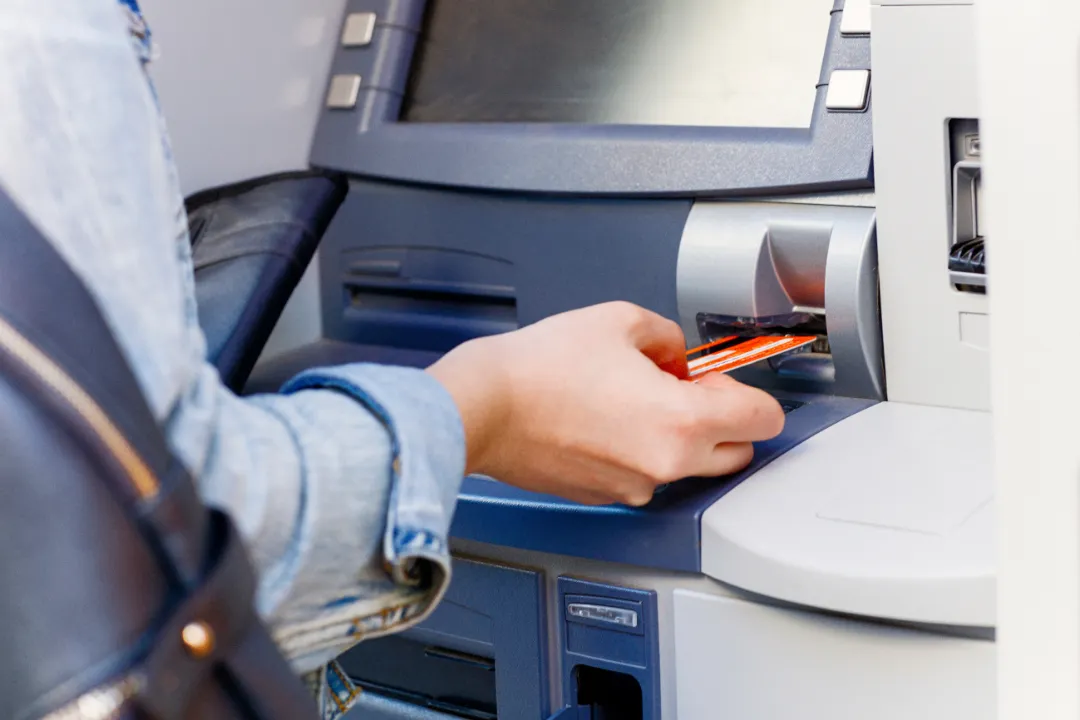
FAQ 6: What causes ATM performance to drop after installation?
The most common causes are downtime (slow repairs), cash-outs during peak periods, poor visibility/placement, and inconsistent processing or connectivity.

FAQ 7: Should I buy, lease, or rent an ATM in Rhode Island?
Buy for long-term control, lease for a lower upfront commitment or to validate demand, and rent for short-term event or seasonal needs. The right choice depends on traffic patterns and budget.

Categories
Blogs

Rhode Island ATM Advantage: How ATM Ownership Builds Cash Flow and Customer Convenience

Rhode Island ATM Advantage: Why Owning an ATM Can Strengthen Local Sales and Customer Loyalty

 ATM ownership can be a practical advantage in Rhode Island because local commerce is often driven by convenience, speed, and “right now” purchasing decisions. In a small state where customers can easily choose a competitor a few minutes away, reducing friction matters. When people can access cash inside your location, they are more likely to complete purchases, tip service staff, and spend confidently without leaving to search for an ATM elsewhere. This is especially relevant for Rhode Island’s service-heavy business mix: restaurants and bars, convenience and neighborhood retail, salons and personal services, hospitality, and venues that host steady foot traffic. In these categories, customers regularly need cash for smaller transactions, tips, last-minute purchases, and vendor spending—and if cash access feels inconvenient, spending often drops or moves off-site.
Beyond day-to-day local demand, Rhode Island’s coastal and tourism activity creates natural spikes in foot traffic that can amplify the value of on-site cash access. Seasonal weekends, waterfront activity, and event calendars can shift a normal day into a high-volume day fast. For the right location, an ATM becomes a simple operational upgrade that improves customer experience while creating a usage-based revenue channel (often via surcharge income, depending on your configuration and compliance). The key is treating the ATM as an operational asset that must stay reliable: good placement, stable processing, practical cash planning, and responsive support when issues appear. When those pieces are in place, ownership is not just about the machine—it becomes about controlling a small but meaningful part of your customer’s spending journey inside your business.

Where ATM Ownership Pays Off Most in Rhode Island: Cities, Industries, and Location Fit

The real “ATM advantage” comes from location fit. Owning an ATM is not automatically profitable just because the machine exists; it becomes profitable when your site consistently produces the kind of demand that drives repeat withdrawals. In Rhode Island, the strongest opportunities typically show up in two patterns: (1) high-frequency daily traffic (customers coming in regularly) and (2) high-intensity peak traffic (surges on weekends, evenings, and event periods). Businesses that benefit most tend to be those where people already arrive ready to spend: convenience stores, corner markets, smoke shops, restaurants and bars, salons, service counters, and hospitality locations with steady guest movement. These are the environments where customers often say “I need cash right now,” and where leaving your location to find an ATM introduces a real chance they do not return quickly, or they complete their spending somewhere else.

Rhode Island’s population and business activity are concentrated into specific city corridors, which can help provide consistent baseline demand. The best starting point for predictable traffic is typically in and around Providence, plus nearby population centers like Cranston, Warwick, Pawtucket, East Providence, and Woonsocket—areas where customers have many choices and convenience becomes a differentiator. In these markets, an ATM can work like a retention tool: it keeps the customer inside your environment, shortens the time between intent and purchase, and supports quick cash-driven transactions that might otherwise be delayed or abandoned. Coastal destinations and seasonal markets can offer a different kind of advantage: they may have lighter weekday demand but strong spikes tied to weekends, tourism waves, and event calendars. For those areas, ATM ownership can still make sense if you plan around the surge pattern and build your cash strategy around peak days.

To keep your Rhode Island ATM profitable and dependable, the operational plan matters as much as the machine. A smart owner thinks in systems, not slogans. Start with a placement strategy: place the ATM where customers naturally pass (near the entrance or near the point where spending decisions happen), but not in a way that blocks traffic or feels unsafe. Next, build a processing plan: reliable processing reduces declined transactions and customer frustration, and it keeps the machine feeling “trustworthy.” Then establish a service plan: the fastest way to ruin ATM performance is repeated downtime, “out of order” signs, or long delays before fixes. This is why responsive support and clear troubleshooting steps are important, especially for businesses open evenings and weekends. Finally, manage cash planning realistically: the most common preventable issue is the machine running out of cash at the wrong time. A simple schedule that matches your busiest periods can protect transaction volume and customer satisfaction.

 Rhode Island’s business environment also rewards owners who avoid “copy-paste” assumptions. A bar in Providence, a salon in Warwick, and a seasonal venue near coastal destinations can all succeed with an ATM, but for different reasons and with different operational rhythms. That is why it helps to choose an ownership path that matches your business model. If you want maximum control and long-term flexibility, buying may fit. If you want a lower upfront commitment, leasing may be more practical. If you are planning around short windows of intense demand (festivals, fairs, pop-ups, venue activations), event ATM rental may be the best match. And if you want cash access without purchasing equipment, free placement may be an option for qualifying locations—but eligibility should always be based on real traffic and site readiness, not generic promises.
If you want a simple way to evaluate whether Rhode Island ATM ownership is a strong move for your location, use this quick “location-fit” checklist:

  • Foot traffic consistency: Do you see steady daily customers or predictable weekly peaks?

  • Cash-friendly purchases: Are tips, small-ticket items, entry fees, or vendor payments common?

  • Customer dwell time: Do customers stay long enough to use an ATM and still spend on-site?

  • Visibility and accessibility: Can the ATM be placed where it will be seen and used safely?

Operational stability: Do you have a clear plan for processing, service support, and cash levels?
When most of those are “yes,” ownership becomes a practical business upgrade rather than a gamble. In a compact, competitive state like Rhode Island, the advantage is not just the surcharge income—it is the way cash access supports customer experience, reduces spending friction, and helps your business capture more transactions that would otherwise leak away to a competitor or to “I’ll come back later.”

Rhode Island FAQS

FAQ 1: Is owning an ATM in Rhode Island actually profitable?

ATM ownership can be profitable when your location has consistent foot traffic and a clear reason customers need cash (tips, small purchases, entry fees, vendor spending). Profitability is driven by transaction volume, placement visibility, uptime, and a realistic surcharge strategy. If your business has slow traffic or customers rarely use cash, results will be limited—so location fit should be evaluated first.

FAQ 2: Should I buy or lease an ATM for my Rhode Island business?

Buying typically fits businesses that want long-term control and flexibility without ongoing lease commitments. Leasing is often better when you want a lower upfront commitment, prefer predictable monthly terms, or want to test demand before purchasing. The best choice depends on your budget, expected usage, and how stable your foot traffic is in Providence, Warwick, Cranston, Pawtucket, East Providence, Woonsocket, or coastal/seasonal areas.

FAQ 3: How does “free ATM placement” work in Rhode Island, and who qualifies?

Free placement is not automatic—it generally depends on whether your location is likely to generate enough transactions to support the program. Qualification typically considers factors like consistent foot traffic, safe and visible placement space, operating hours, and practical access for service. If approved, the exact inclusions (delivery, installation, setup) should be confirmed in writing so expectations are clear.

FAQ 4: Where are the best places to install an ATM in Rhode Island?

High-performing placements are usually where customers already spend and often need cash: convenience stores, bars/restaurants, salons, hospitality properties, and venues. Within the location, the best spot is typically near the entrance or along the natural customer path—high visibility, well-lit, and not blocking traffic flow. Dense city corridors (Providence-area) often provide baseline demand, while coastal and event-driven areas may perform strongly during seasonal peaks.

FAQ 5: How do I set a surcharge without hurting customer experience?

A surcharge should be location-driven and reasonable for your customer base. High-traffic convenience environments may tolerate different pricing than neighborhood storefronts with repeat locals. The goal is to balance usage and revenue—if the fee is too high, customers may avoid the machine; if it is too low, the ATM may underperform financially. Start with your local market context and adjust based on real transaction behavior.

FAQ 6: What causes ATM downtime, and how do I prevent “Out of Service” signs?

Common causes include connectivity interruptions, hardware wear (printer, keypad, dispenser), cash-outs, and configuration issues. Prevention is mostly operational: stable processing, proactive service checks, a clear troubleshooting path, and realistic cash management during peak days (weekends, events, seasonal surges). Fast response matters because repeated downtime quickly reduces customer trust and repeat usage.

FAQ 7: Can I rent an ATM for events in Rhode Island (festivals, fairs, pop-ups)?

Yes—event ATM rental can be a practical option when you expect concentrated spending over a short period. It helps vendors close more sales and reduces guest drop-off caused by leaving the venue to find cash. Rental scope varies by event, so confirm what’s included (delivery coordination, setup, support plan, duration) based on venue rules, attendee volume, and operating hours.

Categories
Blogs

Upgrade Rhode Island Businesses with Puloon ATMs: A Practical Choice for Local Locations

Why Puloon ATMs Are a Smart Fit for Rhode Island Businesses That Rely on Fast In-Person Spending

Rhode Island businesses compete in a tight, high-choice market where customers expect fast, reliable transactions, whether they are locals running errands or visitors spending for dining, entertainment, and coastal experiences. That reality makes ATM uptime and user experience more than a “nice-to-have”—it becomes part of how your location earns trust and keeps people spending on-site instead of walking down the block to find cash elsewhere. Puloon ATMs are often positioned as a practical option for businesses that want a compact, modern machine supported by cash-dispensing engineering designed for reliability and durability, which can be especially valuable in smaller Rhode Island footprints where space, customer flow, and visibility matter. When you align the right machine with the right placement, your ATM can support core service goals across your Rhode Island stack—buy/sell/lease/rent decisions, processing stability, service readiness, and repair support—while improving customer convenience in cities like Providence, Warwick, Cranston, Pawtucket, East Providence, and Woonsocket.

Puloon + Rhode Island Location Fit: Where Compact Design and Reliable Dispensing Matter Most

 Puloon’s product positioning centers on cash-handling components and ATM models built to support dependable dispensing and efficient operation, which is exactly what Rhode Island businesses need when traffic is concentrated into busy hours, weekend surges, and event-driven peaks. In practical terms, Rhode Island locations often have constraints that directly impact ATM performance: limited floor space near entrances, narrow checkout lanes, older buildings with less flexible layouts, and customer flow patterns that demand quick transactions without confusion. A compact ATM footprint can help you place the machine where it gets used—near the natural traffic path—without disrupting the store experience, and Puloon’s emphasis on cash dispensing modules and ATM models (including high-end lines like the SiriUs series) aligns with a business need that is very simple: the machine must dispense accurately, consistently, and predictably.

Rhode Island’s industry mix also supports the case for reliable on-site cash access, especially in categories where customers still use cash for tips, small purchases, and fast transactions. The state’s key industry clusters include Arts/Education/Hospitality/Tourism, the Ocean Economy, Design and Custom Manufacturing, and Information Technology/Cyber-related sectors—each of which contributes to in-person commerce patterns that reward convenience and speed.
For example, hospitality and tourism-heavy corridors (downtown Providence activity, coastal and seasonal destinations, venue-based events) can amplify demand for easy cash access, while manufacturing and service businesses often benefit from customer convenience that keeps transactions on-site. Instead of treating “Puloon” as a generic product name, the smarter Rhode Island approach is to treat it as a location-fit tool: match machine size and placement to foot traffic, align processing and service support so downtime is minimized, and keep expectations realistic by basing performance on site demand (not hype). If you do that, a Puloon ATM can become a stable, low-friction part of your Rhode Island operations—helping you capture more on-site spending, improve customer experience, and support your broader ATM service stack across buying, leasing, repairs, service, and processing. 

Upgrade Rhode Island Businesses with Puloon ATMs: A Practical Choice for Local Locations

FAQ 1: What is a Puloon ATM, and why do businesses choose it?

Puloon is a recognized ATM manufacturer known for building machines and cash-dispensing components used in many ATM deployments. Businesses often consider Puloon when they want a modern, space-efficient machine with a reputation for dependable cash handling and day-to-day usability.

FAQ 2: Are Puloon ATMs a good fit for smaller Rhode Island storefronts?

They can be, especially when floor space is limited and customer flow is tight. Many Rhode Island businesses operate in compact footprints (neighborhood retail, service counters, small hospitality layouts), so choosing an ATM that fits cleanly near the entrance or along the natural customer path can improve usage without disrupting operations.

FAQ 3: Which Rhode Island business types benefit most from adding a Puloon ATM?

Puloon ATMs are often a practical fit for cash-friendly environments such as convenience retail, restaurants and bars, salons and personal services, hotels, and venues. These are the locations where customers frequently want cash for tipping, small purchases, entry fees, or vendor spending.

FAQ 4: What’s the difference between buying a Puloon ATM vs. leasing one in Rhode Island?

Buying typically offers more long-term control and flexibility, which can be ideal if your location has consistent foot traffic. Leasing can be a better path if you want a lower upfront commitment, prefer predictable monthly terms, or want to validate demand before purchasing. The right choice depends on your expected transaction volume and operating rhythm.

FAQ 5: Does a Puloon ATM automatically increase profits?

Not automatically. Results depend on real-world factors: foot traffic quality, placement visibility, uptime, and how well your processing and service plan prevents downtime. A Puloon machine can be a strong foundation, but profitability still comes from proper placement and consistent operation.

FAQ 6: Where should I place a Puloon ATM inside my Rhode Island business?

The best placement is usually where customers naturally pass and can see it quickly—often near the entrance, but not blocking flow. It should be well-lit, easy to access, and positioned so customers feel comfortable using it. The goal is visibility without creating congestion.

FAQ 7: What are the most common issues that reduce ATM performance, even with a good machine?

The biggest performance killers are usually operational: connectivity interruptions, cash-outs during peak hours, delayed repairs, and inconsistent processing support. Preventing these issues with a clear service plan and realistic cash management is often more important than the machine model alone.

FAQ 8: Can a Puloon ATM support event or seasonal demand in Rhode Island?

Yes—if you plan for surge conditions. Rhode Island can experience higher transaction demand during weekends, seasonal tourism periods, and event-heavy dates. If your business or venue sees predictable spikes, it’s important to build a cash and uptime plan that matches those peak windows.

FAQ 9: What information should I prepare before requesting a Puloon ATM quote in Rhode Island?

Have these ready: your business type, city, operating hours, where you want the ATM placed, expected customer volume (busy days/times), and whether your location is year-round or seasonal. This helps align your machine and setup approach with real demand instead of generic recommendations.